Beauty and Wellness Business QuickBooks CleanupThe bottle that left and the one that did not.
Saturday's shelf count is when a bottle in a bag and a bottle at the bowl stop sharing one pile. Two bottles can look the same on a shelf and be different events the moment one of them is opened.
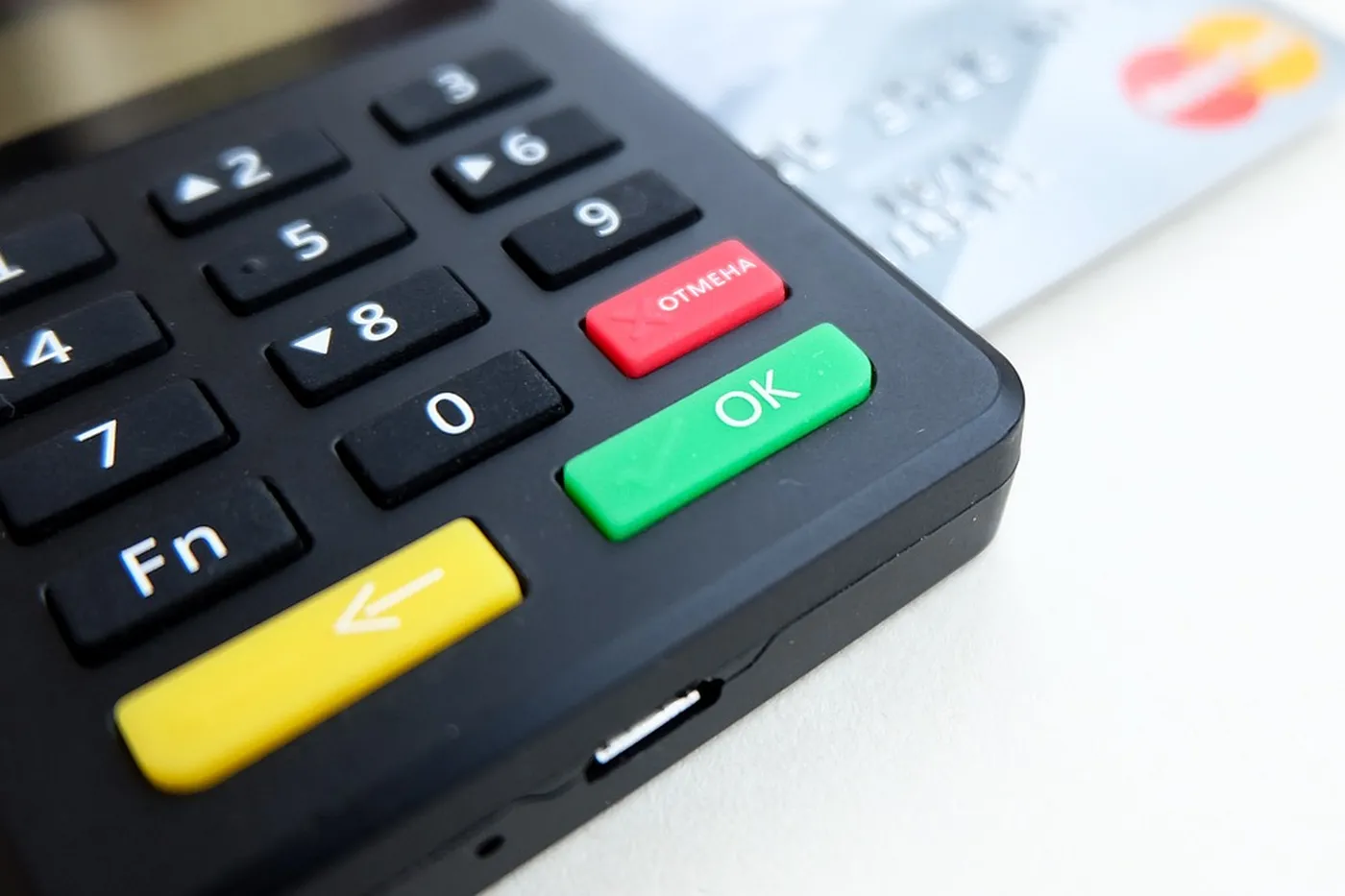
Two piles drawn for this page, one marked Bag and one marked Bowl, with no brand name and no card network mark on either pile.
Retail is a sale. Backbar is a supply.
Product bought to resell sits on the shelf as inventory, or as a non-inventory item the shop still tracks by count if the formal inventory feels like too much. When a guest takes a bottle home, that is product income, and the count goes down. When the same bottle is pumped into a service, the guest did not buy it. The shop used a supply. The count still goes down. Income does not go up.
Shops lose the month in that second pump. The retail button gets pressed because it is the only button with the bottle's name. Sales jump. The shelf count, if anyone takes it, no longer matches. The owner feels the theft of product that was never stolen. It was used. The file called the use a sale.
A state may also care. Product purchased for resale is often bought without tax, on a certificate that state issues. Product then used in a service can become taxable to the shop on the cost, or on a rental value, under that state's rules. These pages do not print the rule for one state. They say the two piles have to exist so the rule, whichever it is, has a number to land on. Keep the certificate as long as that state asks. Do not mix the piles and hope the return sorts it out.
The count is a close, not a chore.
A shelf count once a month is enough for most shops, if the buttons were honest during the month. The count is the check that confirms a month of honest buttons. If the count is the only record, the month is a guess being corrected in a closet on a Sunday night. We would rather the buttons did the work and the count confirmed them.
Card deposits that include product have to show the product. A rule that books the whole deposit to service income erases the shelf. The next count then looks like a mystery. The mystery was the rule. Turn the rule off for mixed deposits, and split the deposit from the day sheet.
Fees belong beside this, not inside it. The processor fee is an expense that sits beside product sales. Netting it makes the shelf and the sales drift apart by the fee rate, which is a miserable way to spend a Sunday.
What we will not invent.
We will not publish a sample shelf with pretend units. Your count is your count. A hypothetical on this site leaves the units blank and talks about the direction of the count. Down for a sale. Down for a supply. Up when a case arrives. Never up because a report looked lonely.
A shoebox of receipts is a count that never got its own row. We give the bag one item and the bowl another, so the appointment book stops being the only record of what left the shelf.
The item that should ring the retail bottle is on the one item page.
Say which pile shrank.
Tell us whether the bottle left in a bag or was used in the service.

You will be talking to the Steven Palmieri practice.